Eggless Cakes: Why India Loves Them and How They're Made
If you have lived your whole life eating eggless cakes in India, you might be surprised to learn that in most of the world, the very idea is unusual. Let us explain why eggless baking is one of India's quiet baking innovations — and how good ones are made.
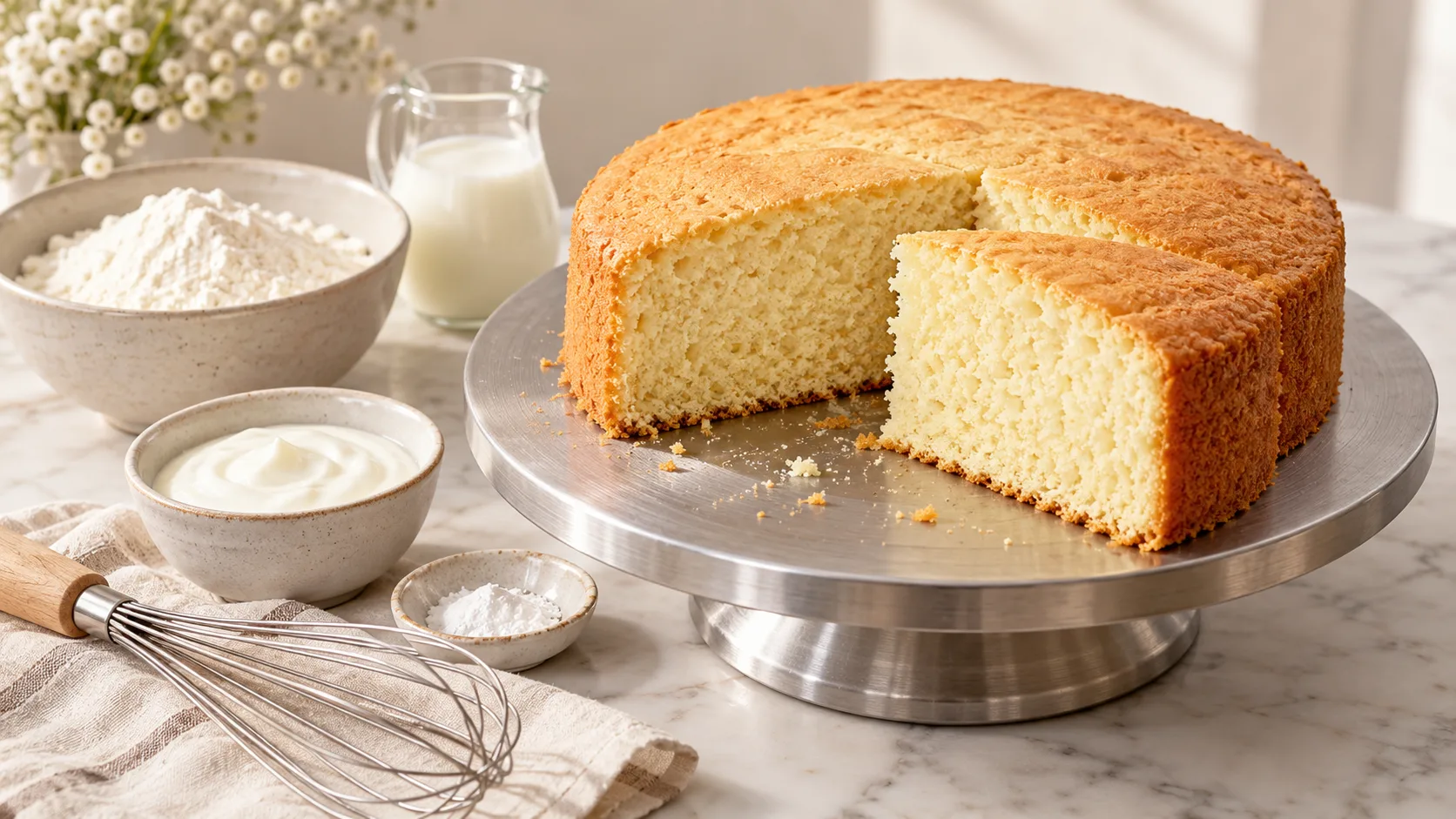
Why Eggless Cakes Are Default in India
About 30% of urban India is vegetarian by religion or family tradition, and within that group, many do not eat eggs even though milk and dairy are fine. This creates an enormous market for eggless baking that simply does not exist in most Western countries.
The result: Indian bakers have spent decades perfecting eggless techniques that taste just as good — sometimes better — than their egg-based counterparts. At Krispie's, about 70% of our cakes are eggless by default. Customers who want eggs in their cake have to specifically ask.
The Role of Eggs in Baking — And How We Replace Them
Eggs do three jobs in a cake: they add structure (proteins), they trap air (helping the cake rise), and they add moisture and richness (yolks). Each of these jobs needs to be replaced by something else.
For Structure
Indian bakers use a combination of cake flour, condensed milk, and sometimes a tiny pinch of cornflour. The condensed milk acts like an egg yolk — adding both moisture and a protein-rich emulsifying property.
For Rise
We use a careful balance of baking soda and baking powder, often activated by a mildly acidic ingredient like yoghurt, buttermilk, or a few drops of vinegar. This creates the same rise that beaten eggs would provide.
For Moisture and Richness
Oil (instead of butter), full-fat milk, yoghurt, and a hint of cream cheese add the velvety mouthfeel that yolks would have provided.

A perfectly textured eggless chocolate cake — no compromise on flavour or moistness.
The Common Myths About Eggless Cakes
Myth 1: Eggless cakes are dense and dry
True only of badly made eggless cakes. A well-made eggless sponge can be just as light, fluffy, and moist as any egg-based cake. The difference is technique, not the absence of eggs.
Myth 2: Eggless cakes do not rise well
This is a misconception. A proper combination of leavening agents and acidic ingredients produces a beautiful, even rise. Some of the tallest layer cakes we make are eggless.
Myth 3: Eggless cakes do not taste as good
The flavour comes from the ingredients you add — cocoa, butter, vanilla, fruit — not from the eggs. A blind taste test between a well-made eggless cake and an egg-based one is genuinely difficult.
Which Eggless Flavours Work Best?
Some flavours actually shine more in eggless form because the absence of eggs lets the dominant flavour come through more clearly:
- Chocolate — The acidity of cocoa balances perfectly with eggless recipes. Many bakers prefer the eggless version.
- Red Velvet — Eggless red velvet has a brighter colour because there is no yolk to mute it.
- Carrot Cake — The moisture from carrots compensates beautifully for the absence of eggs.
- Banana Cake — Bananas naturally act as a binding agent, making them ideal for eggless baking.
- Rasmalai and other Indian fusion cakes — The cardamom-saffron sponge is traditionally eggless and the flavour is unbeatable.
When Eggs Make a Difference
To be honest, there are a few cake styles where eggs do contribute something that eggless cakes cannot quite replicate:
- French sponge (genoise) — The signature airy texture is hard to achieve without eggs
- Macarons — These literally cannot be made without egg whites
- Pavlova — Also dependent on whipped egg whites
But for the cakes most Indian families want — birthday cakes, wedding cakes, cheesecakes, fresh cream cakes — eggless is a perfectly valid (and delicious) choice.
Eggless at Krispie's
Every cake on our menu can be made eggless on request. For some categories — like our wedding cakes and theme cakes — eggless is actually our default. Just mention it when you order and we will confirm.
So next time someone says eggless cakes are not as good, ask them to taste-test. Most of the time, they cannot tell the difference.
Frequently Asked Questions
Q1: Are eggless cakes as good as regular cakes?
Yes, when done right. Krispie's eggless cakes use a refined combination of curd, baking soda, and vinegar as leavening — the same technique used in Iyengar bakeries for 100+ years. The texture is moist, the rise is consistent, and flavour is indistinguishable from egg-based versions.
Q2: What do eggless cakes use instead of eggs?
Common substitutes: curd (yoghurt) + baking soda, flaxseed meal + water, applesauce, banana, or buttermilk. Krispie's uses a curd-based method refined over 28 years for reliable texture and shelf life.
Q3: Are all cakes at Krispie's eggless?
Yes. Krispie's is an Iyengar-heritage bakery where eggless is the default for all cakes, pastries, and baked goods. No special request is needed — every cake is already eggless.
Q4: Which eggless cake flavours are available in Hyderabad?
At Krispie's: Belgian Chocolate, Butterscotch, Red Velvet, Pineapple Cream, Mango, Strawberry, Black Forest, Rasmalai Fusion, Blueberry, and more — all eggless.
Q5: Is eggless cake more expensive?
No. At Krispie's, eggless cakes are priced the same as any other cake — there is no eggless surcharge. Since it's the default, you're never paying extra for the eggless option.
Q6: Which cities in India have good eggless cake bakeries?
Bangalore, Hyderabad, Chennai, and Mumbai have the strongest Iyengar bakery traditions, all specialising in eggless baking. Hyderabad's Krispie's is one of the oldest and most-reviewed eggless cake bakeries in South India.